Stem Cells and Exosomes
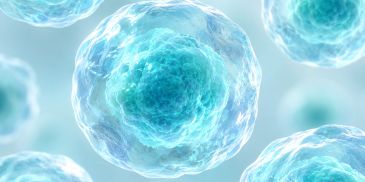
Mesenchymal Stem Cells (MSCs)
Tissue Repair, Cellular Regeneration & Regenerative Medicine
Mesenchymal stem cells (MSCs) are specialized cells found in different tissues, including the umbilical cord, bone marrow, and adipose tissue.
These cells have attracted significant scientific interest because of their ability to communicate with surrounding cells, release bioacti
Tissue Repair, Cellular Regeneration & Regenerative Medicine
Mesenchymal stem cells (MSCs) are specialized cells found in different tissues, including the umbilical cord, bone marrow, and adipose tissue.
These cells have attracted significant scientific interest because of their ability to communicate with surrounding cells, release bioactive substances, and participate in biological processes associated with tissue repair, inflammation regulation, and cellular maintenance.
In regenerative medicine, MSCs are being studied for their potential to support the body's natural repair mechanisms and improve our understanding of tissue recovery.
What Are the Potential Benefits?
Inflammation Regulation
MSCs release substances that interact with the immune system. Researchers are investigating their ability to regulate inflammatory responses and create conditions that support tissue recovery.
Tissue Repair & Regeneration
MSCs are being studied for their potential role in supporting the repair of damaged tissues, cellular communication, and the biological processes involved in tissue maintenance.
Joint & Musculoskeletal Health
Research is exploring the potential of MSCs in conditions affecting the knees, shoulders, hips, tendons, and other musculoskeletal tissues, particularly those associated with inflammation, cartilage damage, and degenerative changes.
Mobility & Quality of Life
Clinical studies are investigating whether MSC-based therapies can help reduce symptoms and improve physical function in certain musculoskeletal conditions. Results vary, and benefits have not been consistently established.
Immune System Regulation
MSCs interact with immune cells and release signaling molecules that influence immune responses. This has generated scientific interest in their potential applications in inflammatory and immune-related conditions.
Skin Recovery & Wound Healing
Researchers are also studying the role of MSCs in wound repair, collagen production, tissue recovery, and the formation of new blood vessels.
How Do Mesenchymal Stem Cells Work?
One of the most interesting characteristics of MSCs is their ability to communicate with surrounding tissues.
They release growth factors, proteins, and extracellular vesicles, including exosomes, that participate in cellular signaling and may influence the environment surrounding damaged tissues.
Their regenerative potential is being investigated through these biological mechanisms rather than simply replacing damaged cells.
Mesenchymal Stem Cells & Exosomes
Mesenchymal stem cells naturally produce exosomes, which carry important signals between cells.
Researchers are studying whether combining MSCs with exosomes can complement their biological activities and enhance tissue repair processes.
Although experimental findings are encouraging, additional clinical studies are necessary to establish the safety and effectiveness of combined administration.
Personalized Care at Medic Health
At Medic Health, we understand that living with chronic pain, limited mobility, or ongoing health challenges can significantly affect your quality of life.
Our approach begins with listening to your concerns, reviewing your medical history, laboratory results, and imaging studies, and understanding your individual health goals.
We believe every patient deserves a thorough medical evaluation, clear information, and personalized guidance when exploring advances in regenerative medicine.
Our goal is to help you make informed decisions while keeping your health, mobility, and quality of life at the center of your care.
Important Information: Mesenchymal stem cell therapies remain investigational for most medical conditions and are not FDA-approved for orthopedic, neurological, or other commonly promoted regenerative uses. Their safety and effectiveness have not been fully established. Individual medical evaluation is essential to discuss potential benefits, risks, and available treatment options.
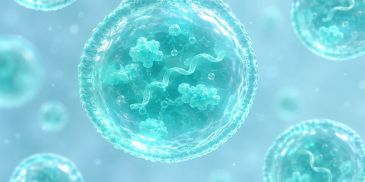
Exosomes
Cellular Communication, Tissue Repair & Regenerative Medicine
Exosomes are tiny vesicles naturally released by cells. They contain proteins, lipids, and genetic material that help cells communicate and regulate important biological processes.
In regenerative medicine, exosomes derived from mesenchymal stem cells (MSCs) have gained significa
Cellular Communication, Tissue Repair & Regenerative Medicine
Exosomes are tiny vesicles naturally released by cells. They contain proteins, lipids, and genetic material that help cells communicate and regulate important biological processes.
In regenerative medicine, exosomes derived from mesenchymal stem cells (MSCs) have gained significant scientific interest for their potential role in tissue repair, protection, and maintenance.
What Are the Potential Benefits?
Inflammation Regulation
Exosomes play a role in immune system communication. Research is exploring their potential to help regulate inflammatory responses and support a cellular environment associated with tissue recovery.
Tissue Repair & Regeneration
Exosomes are being studied for their involvement in natural repair processes, including cellular activity, tissue maintenance, and recovery of damaged tissues.
Joint & Musculoskeletal Health
Research is investigating their potential role in supporting the biological processes involved in cartilage, tendon, muscle, and joint health, particularly those associated with inflammation and tissue maintenance.
Skin Recovery & Wound Healing
Studies are exploring how exosomes participate in cellular communication during wound healing, collagen production, and the formation of new blood vessels.
Exosomes & Mesenchymal Stem Cells
Mesenchymal stem cells naturally release exosomes as part of their cellular communication processes.
Researchers are studying the combination of MSCs and exosomes to understand how their biological activities may complement each other and potentially support tissue repair.
Early experimental findings are encouraging, although additional clinical research is needed to determine the benefits and safety of combining these treatments in patients.
Personalized Care at Medic Health
At Medic Health, we understand that every patient has unique health needs. Our approach begins with a comprehensive medical evaluation, including a review of medical history, laboratory results, and individual treatment goals.
Our commitment is to provide clear information about advances in regenerative medicine, helping patients explore available options with realistic expectations and personalized medical guidance.
Important Information: Exosome-based treatments remain under clinical investigation and are not FDA-approved. Their clinical benefits and safety have not yet been fully established. An individualized medical evaluation is recommended to discuss potential benefits, risks, and available treatment options.
Book Your Evaluation
Stem cells and exosomes are investigational regenerative therapies being studied for a variety of medical conditions. Each patient receives an individualized evaluation to discuss potential benefits, risks, and available treatment options. Message us on WhatsApp: 928-247-0824.